Table of Content
If this theory is confirmed, it means that our ancient companionship with dogs may have played an important part in human evolution. Dogs could have played a major role in the advances in human hunting techniques that occurred some 70,000 to 90,000 years ago. Our ancestors lived as gatherers and hunters, with gathering far more important than hunting.

In the case of Rupert Sheldrake's latest work, the controversial content is right on the front cover. Conditioned by the tight rigor of contemporary scientific thinking, we either look for rational explanations or we file the phenomenon away in our minds as "unexplained" and are careful not to talk about it with our scientist friends. Dogs That Know When Their Owners Are Coming Home not only provides fascinating insight into animal, and human, behavior, but also teaches us to question the boundaries of conventional scientific thought. This remarkable book deserves a place next to the most beloved and valuable books on animals, such as When Elephants Weep, Dogs Never Lie About Love, and The Hidden Life of Dogs. Additionally, the authors hope to test whether dogs produce tears in response to negative emotions, and if the dogs cry happy tears when they reunite with other dogs, which would have implications on dog socialization as well as domestication by humans.
Dogs That Know When Their Owners Are Coming Home: Fully Updated and Revised
The earliest named hominid species, known from fossil remains, are Australopithecus ramidus and Australopithecus anamensis, dating back over 4 million years. The first stone tools were used about 2 1/2 million years ago, and signs of meat eating appear about a million years later, around the time that Homo erectus spread out of Africa into Eurasia (Figure 1.1). The first cave paintings, including many of animals, appeared about 30,000 years ago. The agricultural revolution began about 10,000 years ago, and the first civilizations and written scripts about 5,000 years ago. But in spite of all this exploitation, abuse, and neglect, many people form bonds with animals from childhood onward.
The conventional view is the domestication of wolves began between 10,000 and 20,000 years ago. But recent evidence from the study of DNA in dogs and wolves points to a far earlier date for the first transformation of wolf to dog, over 100,000 years ago. This new evidence also suggests that wolves were domesticated several times, not just once, and that dogs have continued to crossbreed with wild wolves. Finally, sometimes we stumble on things that are unexplainable even when it comes to science. Take for example the behavior of Jaytee, a mongrel terrier who has shown the uncanny ability to anticipate the owner's arrival up to half an hour prior, or even more.
Is There a Canary Dog?
The old image of man the hunter striding confidently out onto the African veldt is a myth. Only a small proportion of the food eaten by today's hunter-gatherers comes from animals hunted by the men; most comes from gathering done mainly by women. The exceptions are the hunter-gatherers of the plant-poor Arctic regions. Hominids and early Homo sapiens obtained small amounts of meat more by scavenging the kills left by more effective predators like big cats than by hunting for themselves.
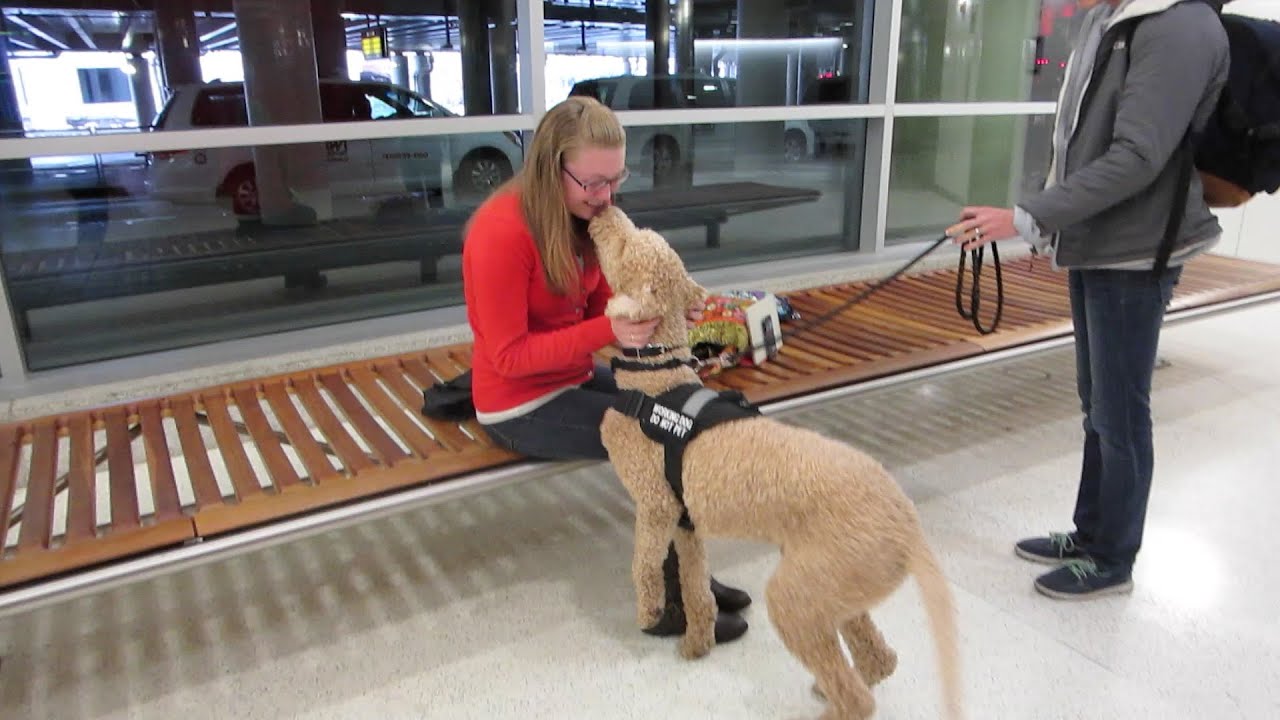
Dogs get so emotional when their owners come home to them that they cry tears of joy, scientists have found. In hunter-gatherer cultures, human beings do not see themselves as separate from other animals but as intimately interconnected. The specialists in communication with the nonhuman world are shamans, and through their guardian spirits or power animals, shamans connect themselves with the powers of animals.
Perception of Time
"Unlike any other animals, dogs have evolved or have been domesticated through communication with humans and have gained high-level communication abilities with humans using eye contact," wrote the authors in the paper. An additional finding of the study was that the dogs' tear volume increased further when an oxytocin solution was applied to their eyes. This suggests that oxytocin—a bonding hormone produced in the human body after childbirth and falling in love—might mediate tear secretion during an owner-dog reunion.

Dogs also have uncanny ability to chain together a longer series of events. We see this all the time in dogs suffering from separation anxiety. These dogs get nervous the moment you start your "getting-ready-to-go-to-work" routine as soon as you get up and prepare breakfast. Dogs often surprise us with their astounding abilities, and something really surprising is a dog's talented perception about knowing when his owners are coming home.
Formal investigations into happy tears in dogs and other animals haven't been done much before, however, animals have been anecdotally observed to show signs of joy or excitement when their owners come home, such as by wagging their tails and running around erratically. Their ancestors, wolves, hunted in packs, just as men hunted, and from an early stage dogs were used in hunting as well as for guarding human settlements. The researchers performed something called a Schirmer Tear Test on a group of 22 dogs, which involves measuring the animal's tear volume. They found that the amount of tears produced by the dog's eyes increased significantly when they were reunited with their owner compared to someone who they were familiar with but wasn't their owner. "Dogs have become a partner of humans, and we can form bonds," Kikusui said in a statement. "In this process, it is possible that the dogs that show teary eyes during interaction with the owner would be cared for by the owner more."

Humans cry emotional tears, both when they are sad and happy. This is thought to have developed as a non-verbal communication cue, as well as a therapeutic expression of grief or overwhelming joy. Hearing tales about frightening animals, including the wolf in "Little Red Riding Hood," and forming relationships with friendly ones seems to be a normal and fundamental aspect of human nature. Indeed our nature has been shaped throughout its evolutionary history by our interactions with animals, and all human cultures are enriched by songs, dances, rituals, myths, and stories about them.
With a scientist's mind and an animal lover's compassion, Sheldrake compellingly demonstrates that we and our pets are social animals linked together by invisible bonds connecting animals to each other, to their owners, and to their homes in powerful ways. Sheldrake's provocative ideas about these social, or morphic, fields explain the uncanny behavior often observed in pets and help provide an explanation for amazing animal behavior in the wild, such as migration and homing. Filled with captivating stories and thought-provoking analysis, Dogs That Know When Their Owners Are Coming Home is a groundbreaking exploration of animal behavior that will profoundly change the way we think about animals, and ourselves. It's rare for a book's title to say so clearly what the book is about.
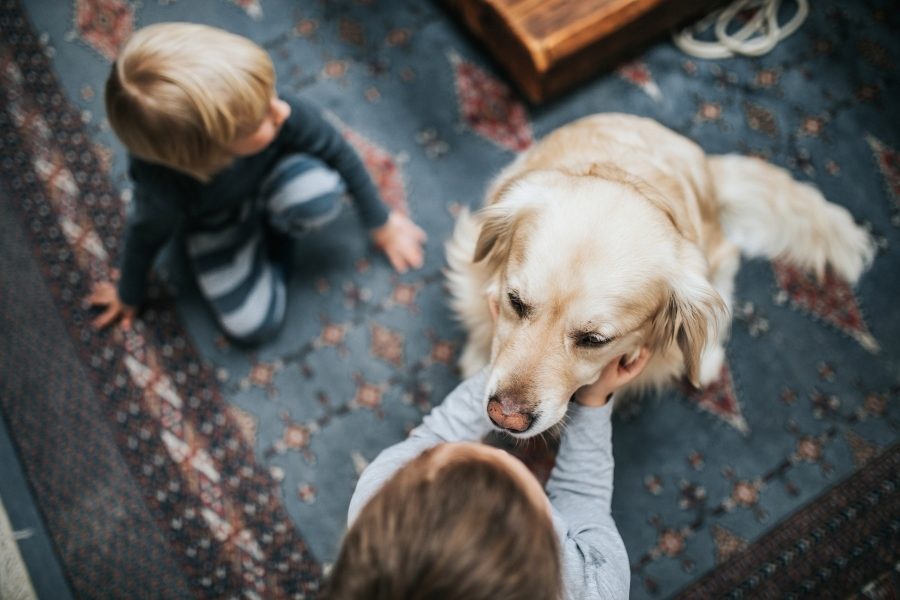
Surveys have demonstrated that 46 percent of dog owners in England and 45 percent of dog owners in California noticed this ability in their dogs, and in both surveys, dogs were capable of detecting their owner's arrival less than 5 minutes prior to when the person arrived home. Sheldrake believes that the "telepathy" between pets and humans, or between flocks of birds or schools of fish that move as a single organism, can be explained this theory. Sheldrake is less persuaded by anecdotes that suggest animal clairvoyance--warning of something in the near future--but refuses to disallow the possibility.
Big game hunting, as opposed to scavenging, may date back only some 70,000 to 90,000 years. There’s nothing quite like coming home to your pet at the end of the day. After a long day of work or school, there is nothing better than being greeted by your adorable dogs at the door with a chorus of barks and snuggles.

OK, dogs may not be able to tell you exactly what make and model your car is, but they sure can recognize the distinctive noise of your car. Dogs are very sensitive to environmental cues and through experience they can learn to put two and two together.